
Why
Multifamily?
Housing is essential. Demand is durable. The operating model offers multiple ways to create and preserve value.
Why
Multifamily?
Housing is essential. Demand is durable. The operating model offers multiple ways to create and preserve value.
Why
Multifamily?
Housing is essential. Demand is durable. The operating model offers multiple ways to create and preserve value.
A portfolio built around how people live.
Multifamily combines recurring housing demand with professional operations, allowing investors to participate in an asset class shaped by income, debt reduction, appreciation, and long-term demographic need.
A portfolio
built around how people live.
Multifamily combines recurring housing demand with professional operations, allowing investors to participate in an asset class shaped by income, debt reduction, appreciation, and long-term demographic need.
A portfolio built around how people live.
Multifamily combines recurring housing demand with professional operations, allowing investors to participate in an asset class shaped by income, debt reduction, appreciation, and long-term demographic need.
ACROSS UP DOWN YEARS
Apartments outperform stocks and bonds
Investing in apartments may provide monthly income with less exposure to the volatility experienced by stocks and bonds. The comparison below reflects the historical analysis presented by ACI.
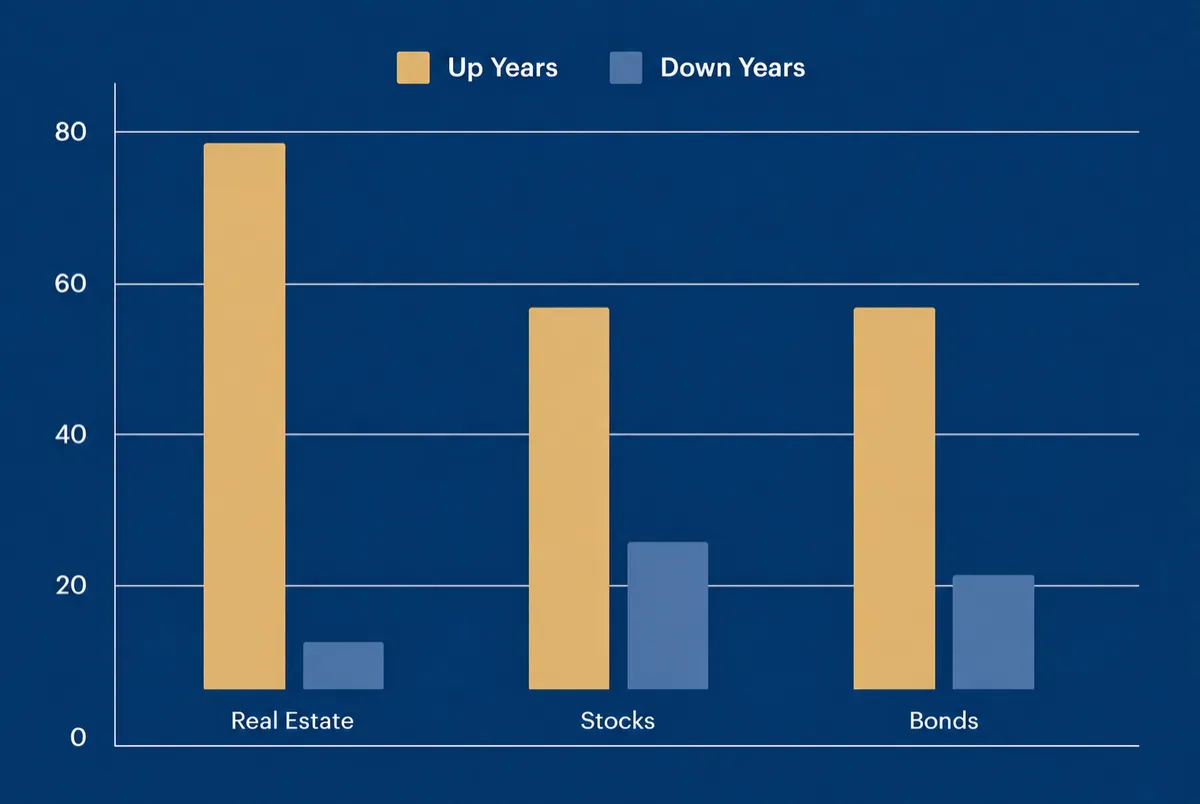
Source: NCREIF, Bloomberg, Barclays, Lehman, RCG.
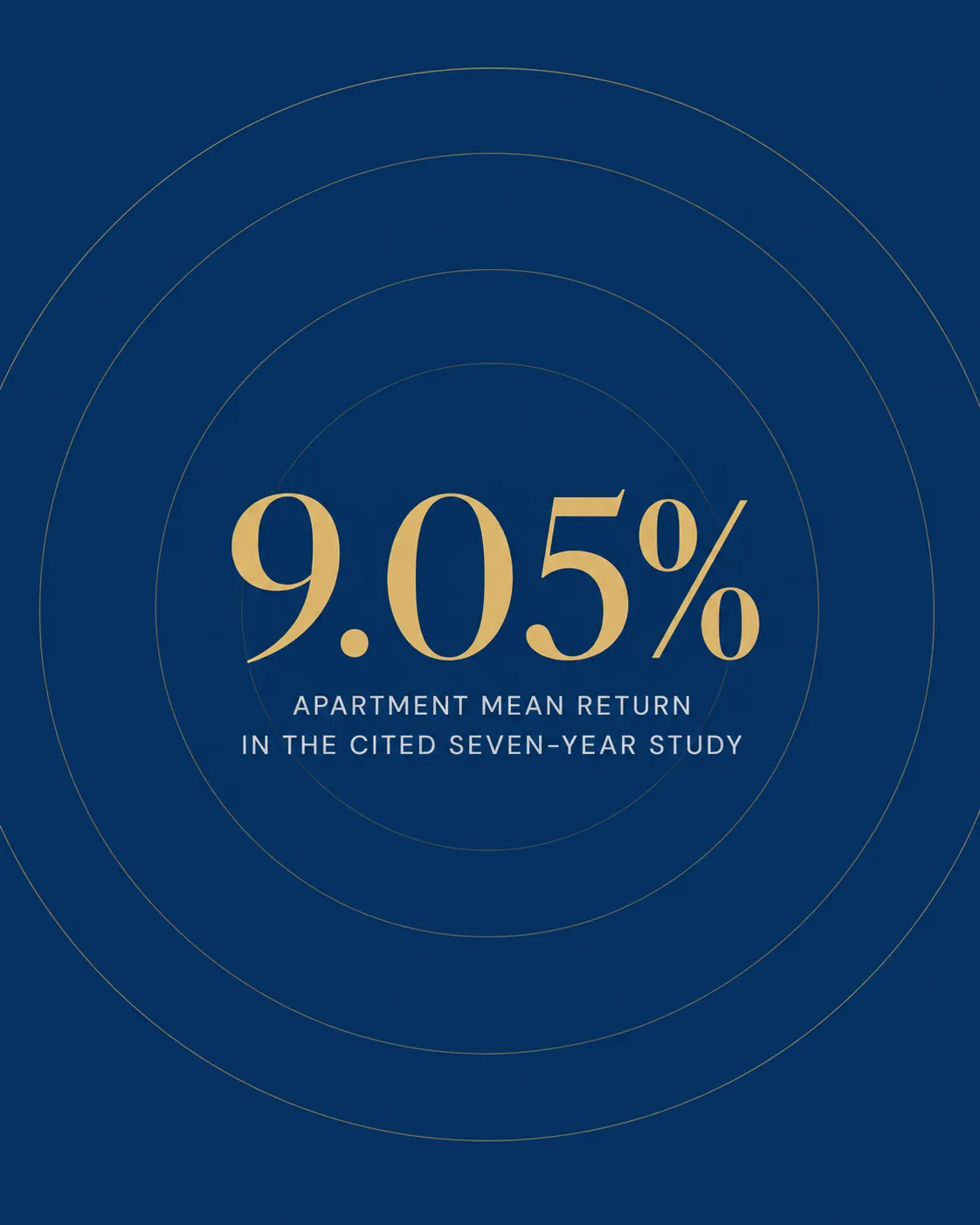
SEVEN-YEAR HOLDING PERIOD
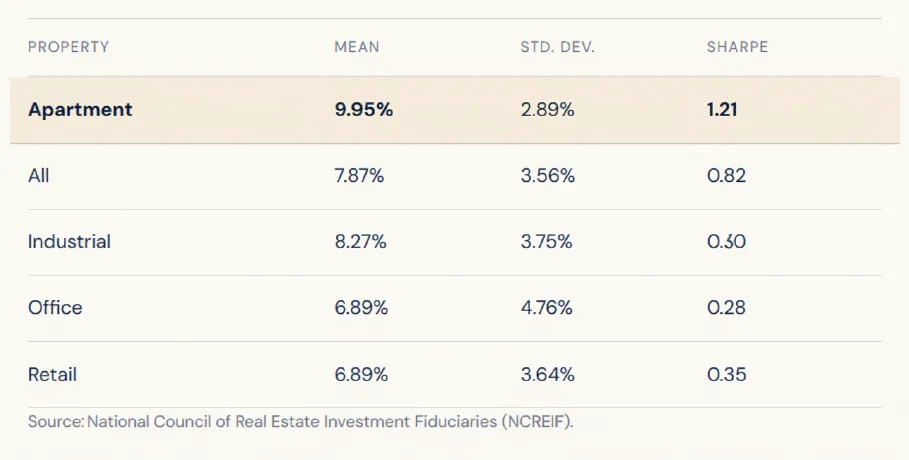
Multifamily investments outperform other real estate classes
Apartments led the property types shown in the original ACI analysis, with a higher mean return and Sharpe ratio than the other categories listed.
ACROSS UP DOWN YEARS
Apartments outperform stocks and bonds
Investing in apartments may provide monthly income with less exposure to the volatility experienced by stocks and bonds. The comparison below reflects the historical analysis presented by ACI.
Source shown on original ACI page: NCREIF, Bloomberg, Barclays, Lehman, RCG.
SEVEN-YEAR HOLDING PERIOD
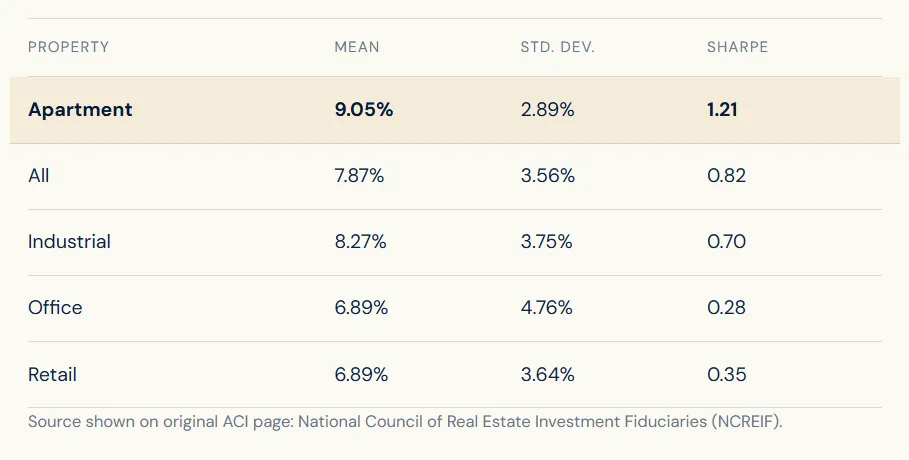
Multifamily investments outperform other real estate classes
Apartments led the property types shown in the original ACI analysis, with a higher mean return and Sharpe ratio than the other categories listed.
ACROSS UP DOWN YEARS
Apartments outperform stocks and bonds
Investing in apartments may provide monthly income with less exposure to the volatility experienced by stocks and bonds. The comparison below reflects the historical analysis presented by ACI.
Source shown on original ACI page: NCREIF, Bloomberg, Barclays, Lehman, RCG.
SEVEN-YEAR HOLDING PERIOD
Multifamily investmentsoutperform other real estate classes
Apartments led the property types shown in the original ACI analysis, with a higher mean return and Sharpe ratio than the other categories listed.
Tax Depreciation Strategies in Multifamily
Multifamily real estate offers several depreciation strategies that may reduce taxable income for LP investors. Each strategy operates differently, and the tax impact depends on the investor’s individual situation, the deal structure, and current tax law.
01 Cost Segregation
A cost segregation study reclassifies components of a building (flooring, cabinetry, site improvements, certain mechanical systems) into shorter depreciation schedules of 5, 7, or 15 years instead of the standard 27.5-year residential schedule. This accelerates the depreciation timeline and may generate larger deductions in the early years of a hold.
h Font
02 Bonus Depreciation
Bonus depreciation allows a percentage of qualifying asset costs to be deducted in the year the property is placed in service, rather than spread over the asset’s full depreciable life. The applicable percentage depends on current tax law. When paired with a cost segregation study, bonus depreciation can generate meaningful paper losses that flow through to LP investors on Schedule K-1.h Font
03 Accelerated Depreciation
Beyond cost segregation and bonus depreciation, the standard 27.5-year straight-line depreciation on residential real property creates a non-cash deduction each year of ownership. For LP investors in higher tax brackets, this annual depreciation may offset a portion of distributions received, potentially reducing current-year tax liability. Font
Disclaimer: This information is for educational purposes only and is not tax advice. Consult your CPA and tax attorney regarding your specific situation. Tax treatment varies by investor, deal structure, and applicable tax law.
Take advantage
of increased tax benefits
ACI focuses on stabilized apartment investments. Tax considerations can affect an investor’s after-tax experience, depending on individual circumstances and current law.
01 Standard or straight-line depreciation
02 Accelerate depreciation
03 Bonus depreciation
Source shown on original ACI page: NCREIF, Bloomberg, Barclays, Lehman, RCG.
Demand for apartments remains structurally significant.
Population mobility, household formation, affordability, and changing ownership patterns continue to shape rental demand. Strong demand can support occupancy, but market selection and disciplined operations still matter.
Essential
Housing serves a recurring human need.
Local
Performance depends on supply, jobs, and affordability.
Operational
Collections, occupancy, expenses, and CapEx drive outcomes.
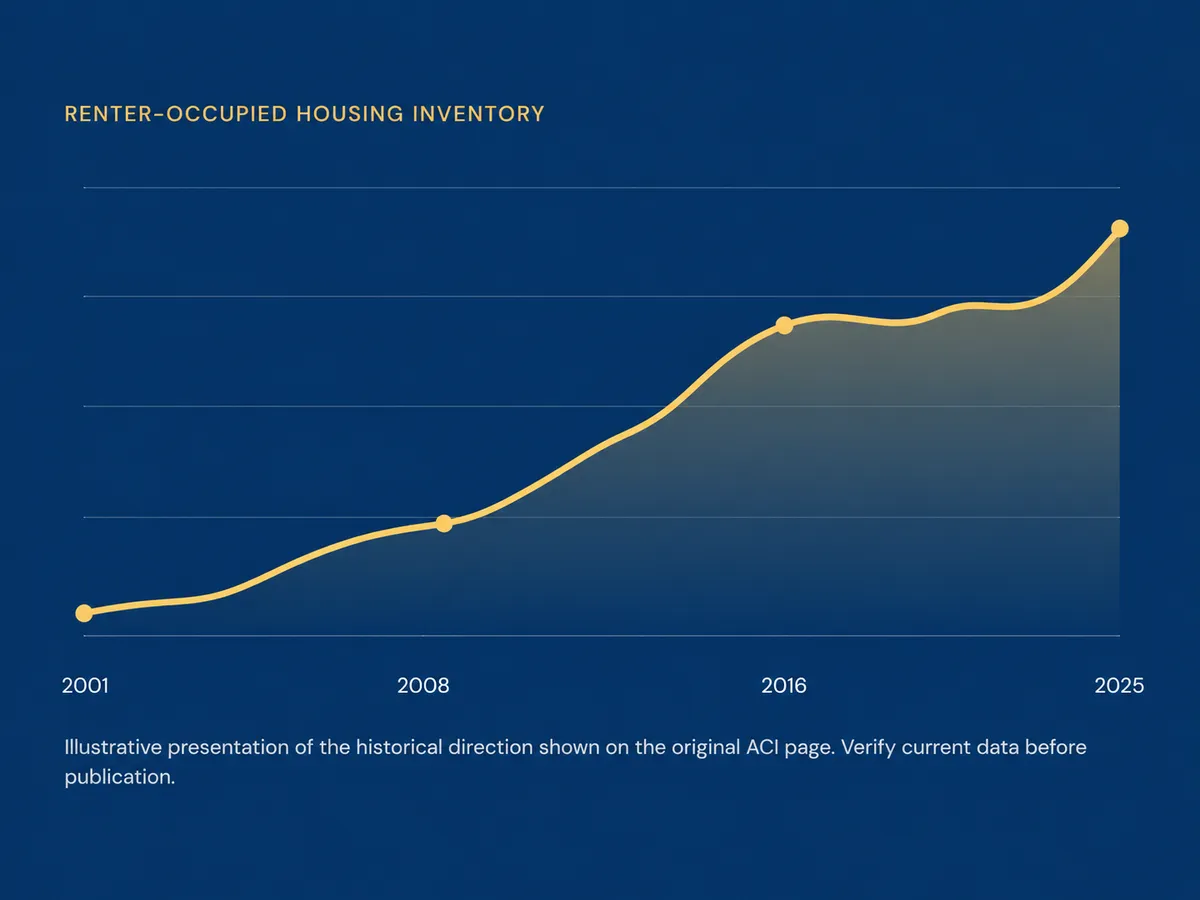
Demand for apartments remains structurally significant.
Population mobility, household formation, affordability, and changing ownership patterns continue to shape rental demand. Strong demand can support occupancy, but market selection and disciplined operations still matter.
Essential
Housing serves a recurring human need.
Local
Performance depends on supply, jobs, and affordability.
Operational
Collections, occupancy, expenses, and CapEx drive outcomes.
Stay Ahead of the Market
Past performance is not indicative of future results. Please consult your advisor before investing.

Empowering Investors Through Insight and Strategy.
Quick Links
Contact
Follow Us


Legal
Copyright 2026. Aries Capital Investments. All Rights Reserved.
Empowering Investors Through Insight and Strategy.
Quick Links
Contact Us
Address: 136 Madison Avenue, 6th Floor, New York, NY, 10016
Office Phone: (917) 745-4391
Email: [email protected]
Follow Us
Legal
© 2026. Aries Capital Investments. All Rights Reserved.